A warehouse can be organized inside the building and still lose time at the loading gate. Transport planning connects inventory, dispatch, documentation and delivery into one practical workflow. For UAE warehouses, this connection can reduce waiting time and improve customer service.
Transport planning begins inside the warehouse
Warehouse logistics is often discussed in terms of storage, picking and inventory, but transport planning begins inside the warehouse long before the truck arrives. The way goods are packed, staged, labeled and released affects how quickly a vehicle can be loaded and whether the delivery leaves with the correct items. A warehouse that treats transport as the final step may face repeated waiting time and last-minute vehicle changes.
A stronger approach is to connect picking, packing and dispatch. The warehouse team should know which orders need dry box protection, which require temperature control, which must be loaded first for route sequence and which need special handling. This connection between warehouse work and vehicle planning helps the transport partner arrive with the right vehicle and reduces idle time at the loading bay.
Create dispatch-ready cargo before vehicle arrival
Dispatch-ready cargo means the goods are picked, checked, packed, labeled, documented and placed in an accessible loading area before the vehicle reaches the warehouse. When cargo is still being prepared after arrival, the driver waits, the delivery window narrows and the next job may be affected. For busy UAE warehouses, repeated small delays can become a major operational cost.
The preparation standard should match the cargo. Palletized goods should be stable and wrapped where appropriate. Cartons should be counted and organized. Temperature-sensitive goods should be prepared so loading time is short. Large items should be measured and photographed if there is any doubt about vehicle fit. The more complete the preparation, the more predictable the transport movement becomes.
Use vehicle planning to improve warehouse flow
Vehicle planning can reduce congestion around the warehouse. If several vehicles arrive at the same time without a schedule, loading doors become crowded and staff must decide priorities under pressure. A simple loading slot system can improve flow, especially for companies dispatching to multiple Emirates or handling a mix of small trucks, refrigerated vehicles and flatbeds.
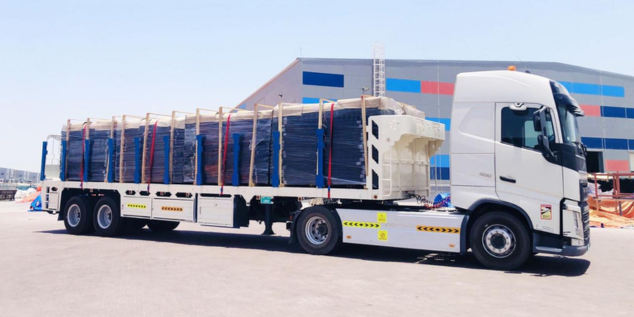
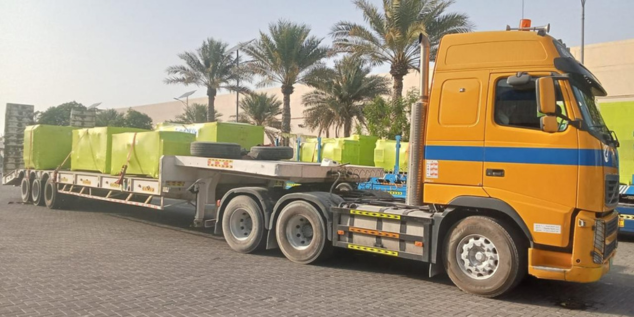
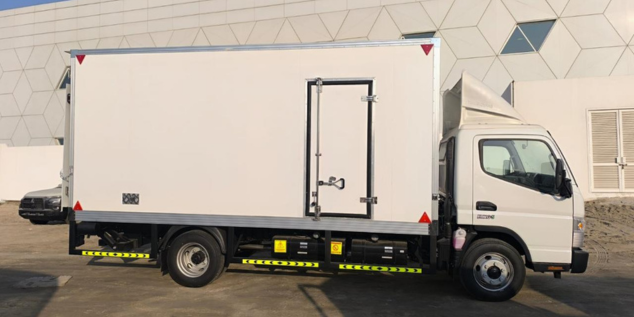
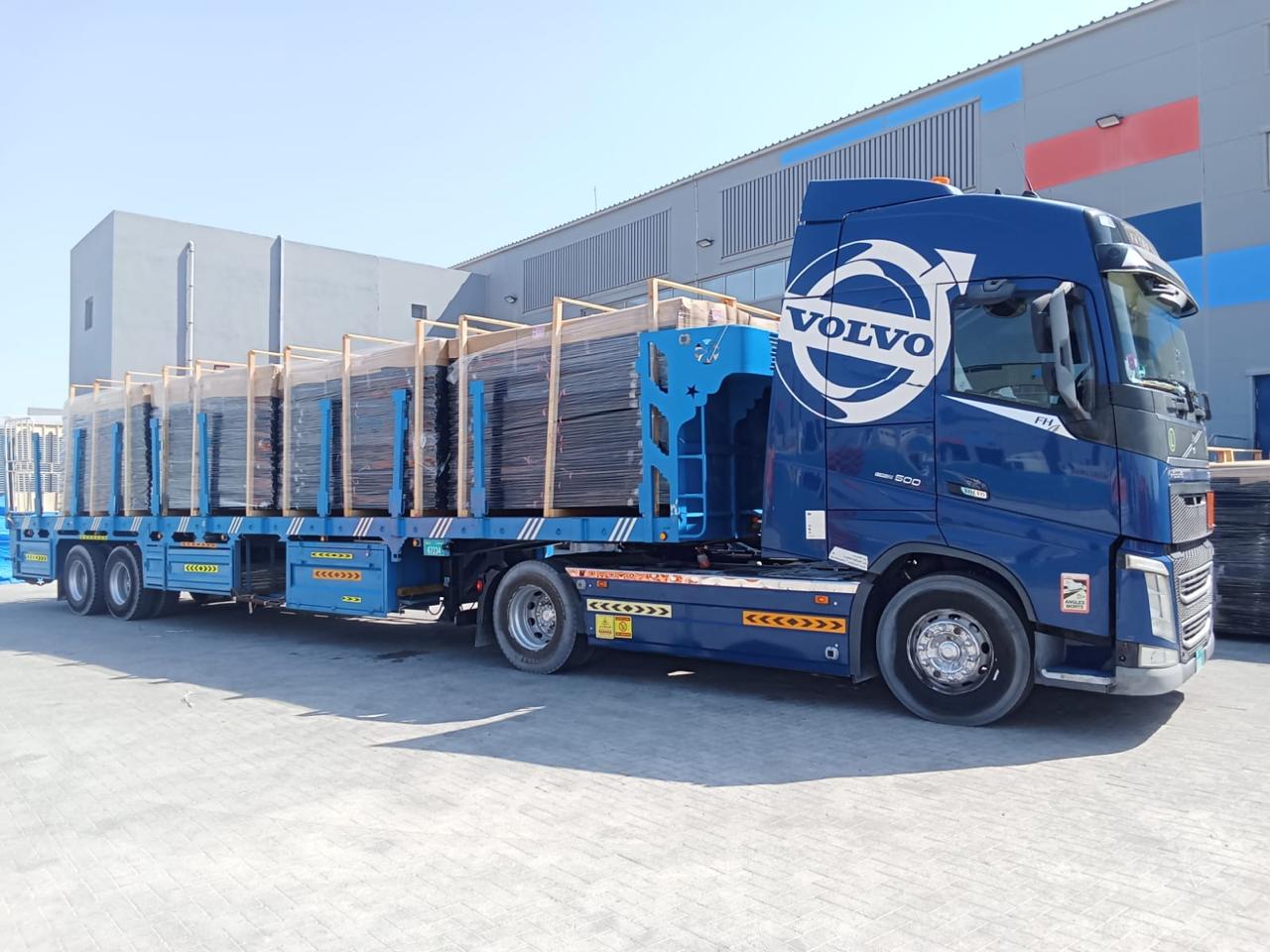
The warehouse should match vehicle type to loading area where possible. Tail-lift vehicles may need ground-level space. Flatbeds may need forklift access around the side. Chiller trucks should load quickly to maintain temperature. Heavy or long materials may need wider maneuvering space. Aligning the vehicle with the right bay saves time and improves safety.
Inventory accuracy and transport accuracy are connected
Transport problems sometimes begin with inventory errors. If the wrong items are picked, if quantity is short, or if cartons are mislabeled, the vehicle may deliver an incomplete or incorrect order. The transport provider can move what is handed over, but the warehouse process must ensure the shipment is correct. A clear handover document protects both sides.
Proof of loading can help in higher-value movements. Photographs, signed delivery notes and item counts create a record of what entered the vehicle. This is useful when shipments are multi-drop, when customers dispute quantities or when goods are sensitive. Good documentation improves accountability and reduces time spent investigating later.
Plan recurring warehouse routes
Many UAE businesses repeat the same routes: warehouse to store, warehouse to customer, supplier to warehouse, warehouse to project site or warehouse to port-related facility. Recurring routes should not be treated as brand-new every day. The transport partner can learn expected volumes, common loading times, vehicle type, contact names and delivery windows.
When recurring routes are planned, the warehouse can prepare dispatch zones according to route sequence. Goods for the first delivery can be loaded last if the route requires it, and goods for multiple locations can be separated clearly. This reduces unloading confusion and supports faster handover at each destination.
Temperature-controlled warehouse dispatch
Temperature-controlled dispatch requires extra discipline. Chilled or frozen cargo should not sit in a warm loading area while paperwork is being prepared. The vehicle temperature setting, product temperature requirement and loading sequence should be confirmed in advance. Door-open time should be minimized by organizing products before loading begins.
Communication between warehouse and driver is important. The driver should know whether the goods are chilled, frozen or simply temperature-sensitive, and the warehouse should know when the vehicle is ready. Small coordination gaps can create unnecessary exposure, particularly during hot weather or when multiple pallets are involved.
Handling returns, exchanges and reverse logistics
Warehouse transport planning should include returns and reverse logistics. Vehicles may need to collect rejected goods, reusable packaging, display materials, damaged stock or items moving back from a project site. These movements should be documented and planned rather than added casually at the end of a delivery route.
Reverse logistics can affect vehicle space and route time. If the return load is large, dirty, temperature-sensitive or not stackable, it may change the type of vehicle needed. A clear return process helps the warehouse receive goods properly and prevents confusion about responsibility, condition and documentation.
Measure warehouse transport performance
Useful transport measures for warehouses include loading waiting time, on-time departure, on-time delivery, failed delivery reasons, vehicle utilization, urgent booking frequency and damage reports. These measures show where operational improvement is needed. For example, frequent waiting time may indicate cargo preparation issues, while repeated urgent bookings may point to poor dispatch planning.
The purpose of measurement is not to create paperwork for its own sake. It is to identify where transport can become smoother. Better staging, earlier booking, clearer documentation or a different vehicle size may improve results quickly. A transport partner with regular customer communication can help review these patterns and suggest practical changes.
Warehouse dispatch checklists that drivers appreciate
A clear dispatch checklist makes the loading process easier for everyone. It should confirm order number, customer name, delivery location, item count, loading method, vehicle size, contact person, delivery notes and any special instruction. When the driver arrives, the warehouse team should be able to identify the shipment quickly. If staff need to search for goods after arrival, the loading bay becomes a bottleneck.
Drivers appreciate simple, accurate information because it reduces confusion on the road. Delivery notes should match the actual cargo. Contact numbers should be active. Locations should be specific enough to avoid unnecessary calls. If there is a gate, dock number or security process, it should be written clearly. These details may seem small, but they can determine whether a delivery takes minutes or hours.
Reducing loading bay congestion
Loading bay congestion happens when too many vehicles, too many urgent orders and too little coordination meet at the same time. A warehouse can reduce this by assigning time slots, separating outgoing cargo by route and matching vehicles to the right loading points. If chilled goods, dry goods and flatbed cargo all use the same space without a plan, delays are almost guaranteed.
Simple visual organization can help. Mark areas for ready cargo, pending cargo, return cargo and priority dispatch. Use labels or paperwork that clearly identify destination and order number. Keep forklifts and labor teams aligned with planned arrival times. The goal is not to make the warehouse complicated; it is to make each vehicle visit predictable.
Transport planning for e-commerce, retail and B2B distribution
E-commerce, retail and B2B distribution each have different transport pressures. E-commerce often values speed and accurate address information. Retail distribution may need route sequence, store receiving windows and careful handling of packaged goods. B2B distribution may involve larger shipments, invoices, loading docks and procurement contacts. A warehouse should not use the same dispatch assumptions for all three.
For mixed operations, categorize orders before booking transport. Small urgent orders may use a different vehicle plan than palletized wholesale orders. Retail replenishment may be scheduled, while project deliveries may need direct movement. Clear categorization helps the transport partner assign the right fleet and reduces unnecessary cost.
Using photos and measurements to prevent vehicle mismatch
Warehouses sometimes book vehicles based on memory rather than current cargo. This is risky when orders change, packaging changes or items are not standard. Sending a quick photo and measurement can prevent vehicle mismatch. If cargo is taller than expected, wider than a pallet, not stackable or too heavy for manual loading, the transport team needs to know before dispatch.
Photos are especially helpful for irregular items, fragile goods, machinery parts, display materials and long cargo. They show whether goods are boxed, wrapped, open, strapped or loose. They also show whether a forklift or tail lift may be required. This visual information reduces assumptions and makes the booking more accurate.
Creating a transport feedback loop inside the warehouse
After each delivery cycle, the warehouse should note what caused delays. Was the cargo ready? Was the vehicle correct? Was the receiver available? Were documents complete? Did the driver wait because the route plan changed? These observations should be shared with the person who books transport so the next movement improves.
A feedback loop does not need a long report. A simple weekly review of repeated issues is enough for many businesses. If one customer always causes waiting time, plan a different delivery window. If one route always needs a larger truck, update the standard instruction. If documents are often missing, adjust the dispatch checklist. Continuous small improvements create a stronger logistics operation.
Training warehouse teams to book transport correctly
Warehouse teams do not need to become transport experts, but they should understand the information that affects vehicle planning. Training can cover cargo measurement, weight estimation, pallet count, loading method, temperature requirement, vehicle body types and the importance of delivery contacts. When warehouse staff know why these details matter, they are more likely to provide them accurately.
This training can be practical and short. Use examples from previous delays: a truck that was too small, a delivery note that was missing, a receiver that could not unload, or a vehicle that waited because cargo was not ready. Real examples help teams see that transport planning is not paperwork. It is a way to protect time, reduce stress and improve customer service.
Final planning reminder for operations teams
Before every important cargo movement, take one minute to confirm readiness, route, receiver, documents and vehicle suitability. That small pause can prevent long delays later. Transport is most reliable when the details are visible before dispatch, not discovered after the truck arrives. For UAE businesses managing daily deliveries, project cargo or urgent freight, this habit creates a more professional workflow and gives customers better confidence in the delivery promise.
The best results come from repeatable discipline: clear requests, accurate cargo information, prepared loading areas, realistic timing and a transport partner that communicates quickly. These practical habits may look simple, but they are the foundation of safe cargo movement and dependable supply chain performance.
How Focus Global can support the next movement
When the cargo, timing or site conditions are not fully clear, it is better to ask for a practical transport recommendation instead of guessing the vehicle. Share the shipment details, photos, route and preferred delivery time, and the operations team can advise whether a dry box truck, chiller truck, flatbed, lowbed or another solution is more suitable. This simple consultation step helps reduce rework, protects the customer schedule and makes the final quotation easier to approve.
FAQ
How does warehouse planning improve transport?
It ensures cargo is ready, correctly documented, staged near the loading area and matched to the right vehicle before the driver arrives.
What is dispatch-ready cargo?
Dispatch-ready cargo is picked, packed, labeled, documented and positioned for loading so the vehicle can be loaded without unnecessary waiting.
Why do warehouses need different vehicle types?
Different goods require different protection and loading methods, including dry box trucks, chiller trucks, flatbeds, lowbeds and tail-lift vehicles.
Can transport providers help with recurring warehouse routes?
Yes. Recurring routes can be planned with fixed details, regular contacts and expected cargo patterns, which improves speed and reliability.
Conclusion
Warehouse logistics improves when transport is planned as part of daily operations rather than treated as an afterthought. Dispatch-ready cargo, scheduled loading, correct vehicle selection and clear documentation help UAE businesses move goods with fewer delays.