Good freight transport is not only about moving goods from one point to another. It is about moving the right goods in the right vehicle, at the right time, with the right handling instructions and documentation. For UAE businesses, that planning discipline can reduce delays, avoid vehicle mismatch and improve customer confidence.
Start with shipment profile, not only destination
Freight planning begins with a shipment profile. The destination matters, but it is only one part of the decision. The profile should describe what the goods are, how they are packed, whether they are stackable, their gross weight, the number of cartons or pallets, the dimensions of the largest item, and any handling restrictions. This information helps the transport team understand whether the cargo needs an enclosed body, open platform, refrigeration, tail lift support, forklift loading or a dedicated vehicle.
When the shipment profile is incomplete, teams often make assumptions. A shipment may be described as “five pallets,” but the pallets could be unusually tall, fragile, non-stackable or too heavy for the expected vehicle. A machine part may sound small but require a crane because no forklift is available. Good freight planning removes these assumptions before the vehicle is booked.
Match service urgency with realistic loading and receiving times
Freight transport in Dubai and the wider UAE often involves strict receiving windows, busy warehouses and customer deadlines. Urgency should be discussed honestly. A shipment that is ready at 9 AM and needed at 11 AM is very different from a shipment that still needs picking, wrapping, documentation and forklift arrangement. The booking time should reflect when the cargo will actually be ready for loading, not when the request was first made.
Receiving time is equally important. Some warehouses stop receiving before the end of the working day, while construction sites may have limited access hours or safety restrictions. Freight planning should confirm whether the receiver will accept the cargo, whether unloading equipment is available and whether any contact person must be present. These details can prevent the driver from reaching the site and waiting without a clear handover.
Choose between dedicated, scheduled and project-based freight movement
Different freight needs require different operating models. A dedicated vehicle is suitable when the cargo is urgent, valuable, route-specific, temperature-controlled or not suitable for mixing. Scheduled transport works well for repeated warehouse-to-store, warehouse-to-site or supplier-to-customer movements. Project-based freight is useful for larger campaigns, fit-out work, construction logistics, exhibition delivery or multi-vehicle industrial moves.
Businesses should avoid using one model for every shipment. A daily recurring route may benefit from a planned schedule and consistent vehicle. A one-off urgent job may require a direct vehicle with clear pickup and delivery communication. A heavy project may need site inspection, lifting coordination and staged movement. Matching the operating model to the job helps control cost without sacrificing service quality.
Protect cargo through loading method and body type
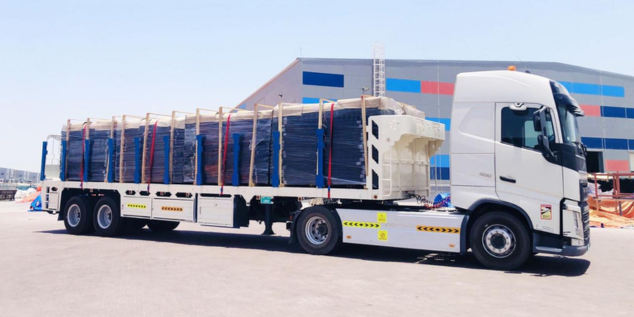
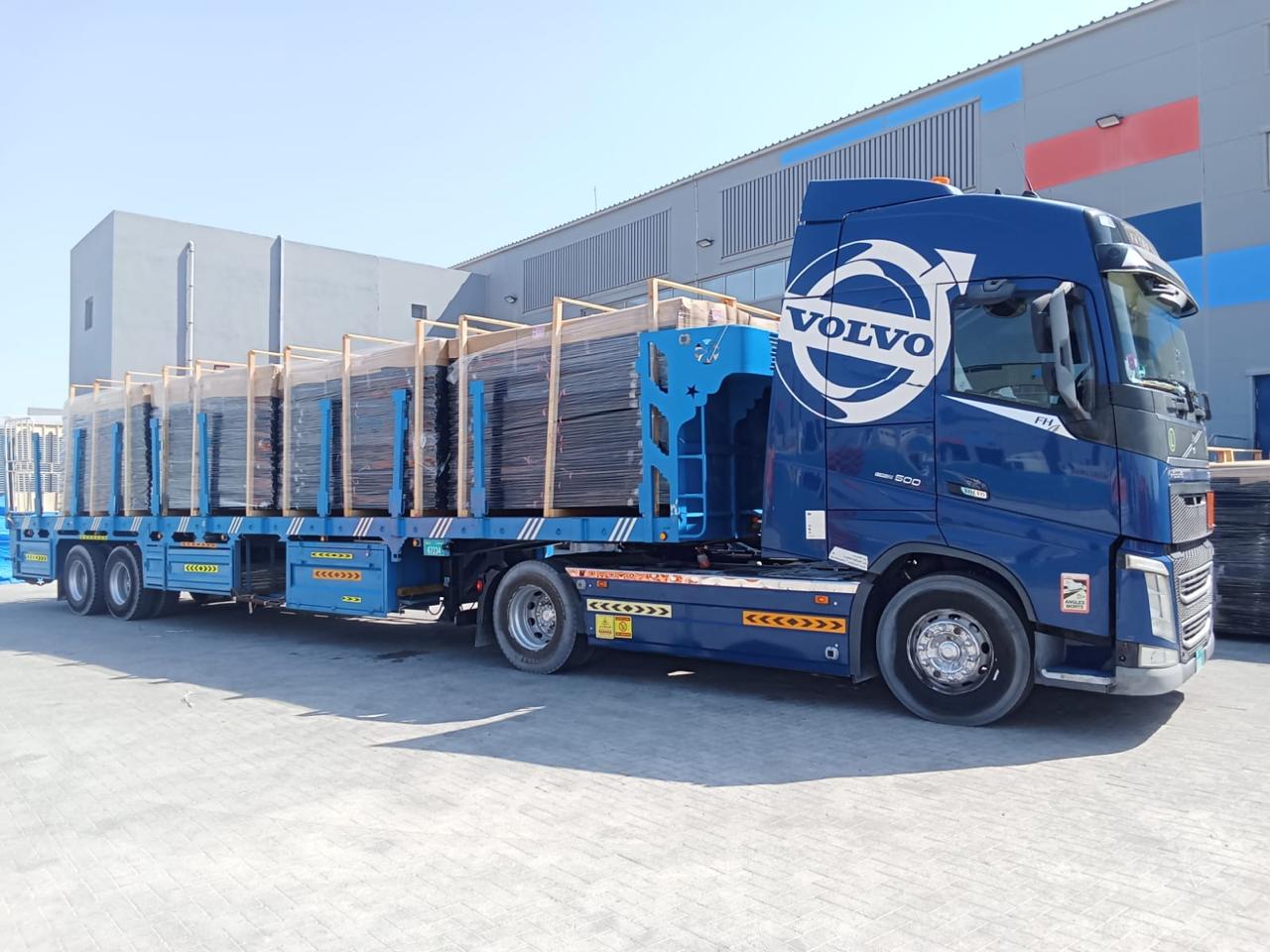
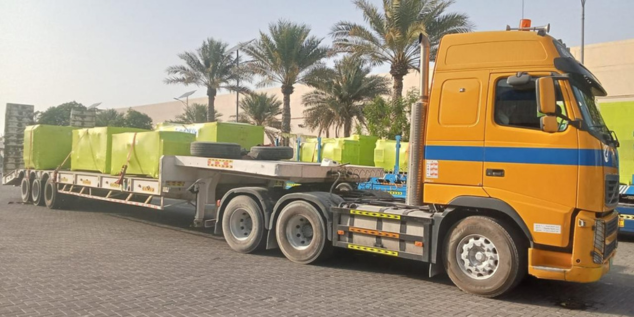
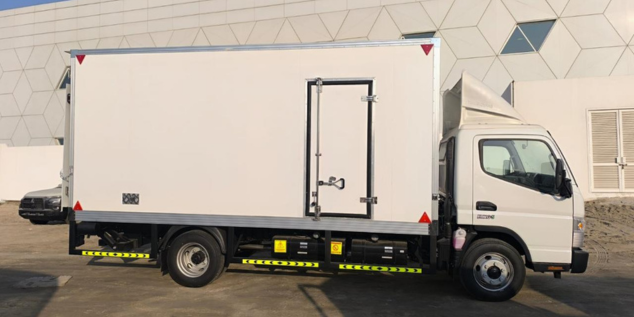
Cargo protection is not only about driver care. It starts with the vehicle body and loading method. Dry goods that must remain clean and protected should move in a dry box body. Temperature-sensitive freight needs the correct chiller or freezer setting and fast loading. Open cargo such as steel, pipes, construction materials and equipment must be secured properly on flatbed or lowbed vehicles. Fragile goods may need extra packaging, careful stacking and clear instructions about what cannot be loaded above them.
The customer and transport team should agree on loading responsibility before dispatch. If a forklift, crane or labor team is needed, it should be available when the vehicle arrives. If the vehicle is expected to provide a tail lift, that should be confirmed during booking. A mismatch between cargo and loading support is one of the fastest ways to turn a simple freight job into a delayed delivery.
Plan documents before the truck arrives
Freight movements often rely on simple but important documents: delivery notes, invoices, packing lists, gate passes, site permits, customer reference numbers or warehouse appointment confirmations. In free zone and industrial environments, a missing document can hold the vehicle even when the cargo is ready. The document process should be part of the transport checklist rather than something the driver discovers at the gate.
For high-value or sensitive shipments, customers should also confirm who can sign for delivery, how proof of delivery will be shared and whether any photos are needed after unloading. These practices are especially useful for businesses managing multiple deliveries in a day because they create a clear record of what was moved, when it arrived and who received it.
Use communication milestones during the movement
A professional freight movement should have communication milestones. The customer should know when the vehicle is assigned, when it is on the way to pickup, when loading is complete, when it is heading to delivery and when the cargo has been handed over. These updates do not need to be complicated, but they should be timely and clear. They allow the customer to inform internal teams or end customers without repeated follow-up calls.
For recurring freight, milestone updates can be simplified because the route and contacts become familiar. For urgent or project freight, updates are more important because many people may depend on the vehicle arriving at a specific time. Good communication gives the customer confidence that the movement is being actively managed, not simply outsourced and forgotten.
Review performance after repeated movements
Businesses with ongoing freight needs should review performance periodically. Useful questions include: Which routes face the most waiting time? Which locations create loading delays? Which cargo types regularly need a different vehicle? Are there recurring documentation problems? Are delivery windows realistic? This review helps convert transport from a reactive cost into a more controlled part of the supply chain.
Even small changes can have a large effect. Preparing goods earlier, sending photos before dispatch, using a larger vehicle on certain routes, booking a fixed slot with the receiver, or adding one trained site contact can reduce delays. A transport partner that understands the customer operation can help identify these patterns and recommend practical improvements.
Freight transport as a customer experience issue
Freight is often invisible until something goes wrong. For the end customer, however, delivery quality may shape their view of the entire transaction. A late arrival, damaged package or confused handover can weaken trust even if the product itself is good. Businesses that take freight planning seriously protect not only goods but also reputation.
This is especially true in B2B deliveries where buyers judge suppliers by operational reliability. A clean vehicle, clear communication, professional driver coordination and careful cargo handling all contribute to confidence. The transport partner becomes an extension of the company’s service promise, which is why the choice of provider matters.
Freight cost control without reducing service quality
Freight cost control should not mean choosing the cheapest vehicle without checking whether it fits the job. Real cost control comes from fewer failed pickups, fewer second trips, shorter waiting time and better vehicle utilization. If a customer underestimates cargo volume and the shipment needs another truck, the low initial rate becomes more expensive. If documents are not ready and the vehicle waits for hours, the movement may also cost more than expected.
To control cost, provide accurate measurements, confirm whether the goods are stackable, prepare the loading team, and book the vehicle that matches the full shipment. For recurring freight, review whether shipments can be consolidated on certain days or whether a fixed vehicle size makes more sense. A transport partner can often identify small planning changes that reduce cost without compromising reliability.
Handling fragile, high-value and sensitive freight
Fragile and high-value cargo should be discussed separately during booking. The transport team needs to know whether items can be stacked, whether cartons must remain upright, whether vibration should be minimized and whether additional packaging is required. Sensitive goods may need direct movement without unnecessary stops. High-value shipments may need a clear proof-of-delivery process and a named receiving contact.
The customer should not rely on the driver to guess handling rules after arrival. Clear instructions should be included in the booking and repeated at handover. Photographs of the cargo condition before loading can help create a record. For fragile cargo, packaging quality is as important as vehicle choice. A good transport provider can move goods carefully, but the goods must also be prepared for road movement.
Multi-drop freight planning
Multi-drop movement can save time and cost when it is planned correctly. The loading sequence should follow the delivery sequence so the first delivery is accessible without unloading other goods. Each drop should have a contact name, phone number, delivery note and expected receiving time. If one receiver is not ready, the entire route can be affected, so the operations team should understand which deliveries are fixed and which have flexibility.
Multi-drop freight is not suitable for every shipment. Temperature-sensitive goods, urgent deliveries, high-value cargo or items with different handling needs may require separate vehicles. The decision should be based on cargo compatibility, route timing and customer expectations. When the route is suitable, multi-drop planning can improve efficiency while maintaining service standards.
Freight planning for peak periods
Peak periods can include month-end dispatch, seasonal retail demand, construction milestones, exhibition schedules and urgent customer campaigns. During these times, vehicle availability and loading capacity can become tighter. Businesses should book earlier, prepare documents sooner and avoid leaving transport decisions until the final hour. A short planning meeting before peak periods can prevent repeated emergency bookings.
Peak planning should include backup options. If a normal 3-ton truck is not enough because orders increased, the team should know whether to upgrade to a 5-ton truck or split the load. If a receiver becomes unavailable, there should be a clear decision-maker who can approve rescheduling. This preparation protects both delivery performance and customer trust.
Questions to ask before confirming a freight booking
Before a freight booking is confirmed, the team should ask whether the cargo is fully ready, whether the receiver will be available, whether loading equipment is arranged and whether the vehicle can enter both locations. They should also check if the shipment includes fragile, valuable, refrigerated, oversized or time-sensitive items. These questions do not slow down the process; they reduce the risk of sending the wrong vehicle or losing time at the loading point.
For companies that book freight every day, the answers can be turned into a simple standard operating process. The person who books the vehicle should not have to investigate the same missing details every time. A shared checklist helps sales, warehouse and operations work with the same expectations. When freight requests are complete, transport providers can respond faster and quote more accurately.
Final planning reminder for operations teams
Before every important cargo movement, take one minute to confirm readiness, route, receiver, documents and vehicle suitability. That small pause can prevent long delays later. Transport is most reliable when the details are visible before dispatch, not discovered after the truck arrives. For UAE businesses managing daily deliveries, project cargo or urgent freight, this habit creates a more professional workflow and gives customers better confidence in the delivery promise.
The best results come from repeatable discipline: clear requests, accurate cargo information, prepared loading areas, realistic timing and a transport partner that communicates quickly. These practical habits may look simple, but they are the foundation of safe cargo movement and dependable supply chain performance.
FAQ
What is the best way to plan freight transport in Dubai?
Begin with cargo details, loading method, delivery window and site access. Then match the shipment to the correct vehicle and confirm documents before dispatch.
Do I need a dedicated vehicle for freight?
Dedicated vehicles are useful for urgent, sensitive, temperature-controlled or direct deliveries. Recurring and less urgent freight may be planned through scheduled movement depending on cargo and route.
What causes most freight delays?
Common causes include cargo not being ready, missing documents, unclear locations, wrong vehicle selection, unavailable loading equipment and receiver-side waiting time.
Can freight transport be arranged across different Emirates?
Yes. UAE-wide movement can be planned across Dubai, Abu Dhabi, Sharjah, Ajman and other Emirates when route, cargo and access details are clear.
Conclusion
Freight transport becomes faster and safer when every shipment is planned around its real requirements. Cargo profile, vehicle body, loading support, route timing, documentation and communication all matter. Focus Global helps businesses convert those details into practical transport coordination across the UAE.