Transport in the UAE looks simple from the outside: choose a vehicle, share a location and wait for the cargo to arrive. In real business operations, the difference between a smooth delivery and an expensive delay often comes down to planning, vehicle selection and clear communication before dispatch.
What a transport partner should understand before a vehicle is assigned
A reliable transport move in the UAE starts before the truck reaches the loading point. The operations team should understand what is being moved, how it is packed, which equipment is available at both sites and whether the shipment has timing restrictions. A one-line request such as “send a truck” can lead to the wrong body type, delays at the gate, extra handling and higher cost. A proper booking should include product type, pallet count, gross weight, dimensions, loading method, delivery access and any special documents required by the customer, warehouse or site security team.
For many businesses, the first improvement is to treat transport as part of the order process rather than a last-minute arrangement. Sales teams, warehouse teams and dispatch teams should share the same load information. If cargo is urgent, fragile, refrigerated, oversized or site-restricted, those details should be captured early. When Focus Global reviews a movement, the goal is not simply to allocate an available truck; it is to match the cargo, route and receiver requirements with a vehicle that can complete the job with fewer surprises.
Common UAE transport requirements by cargo type
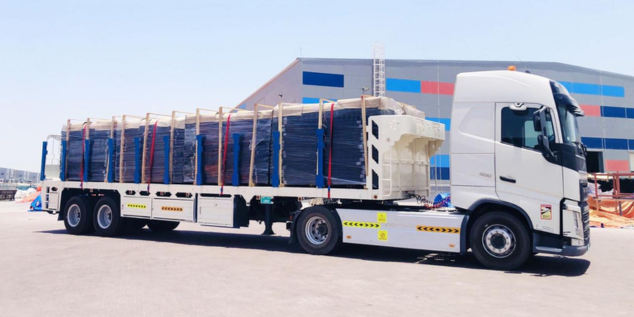
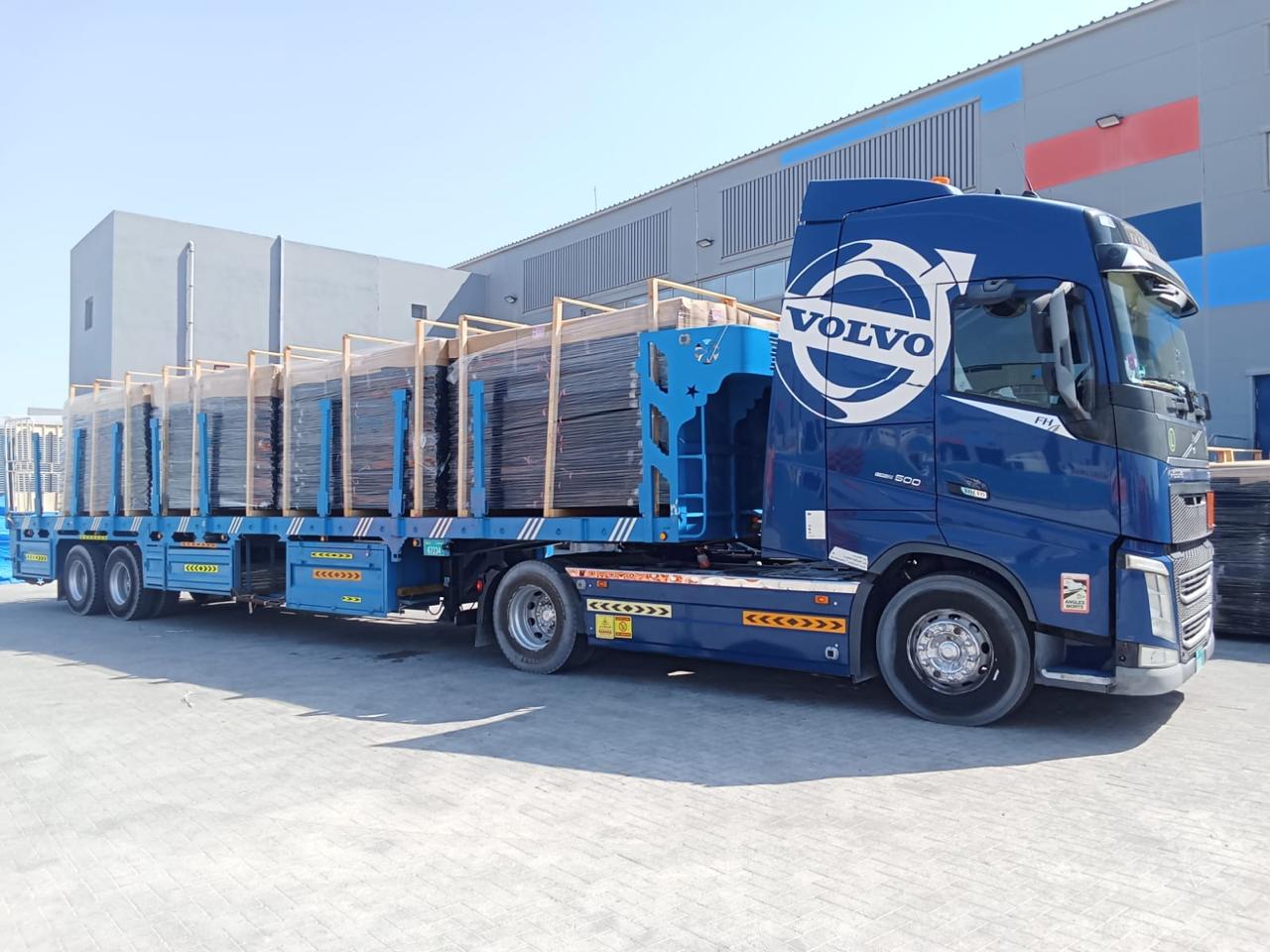
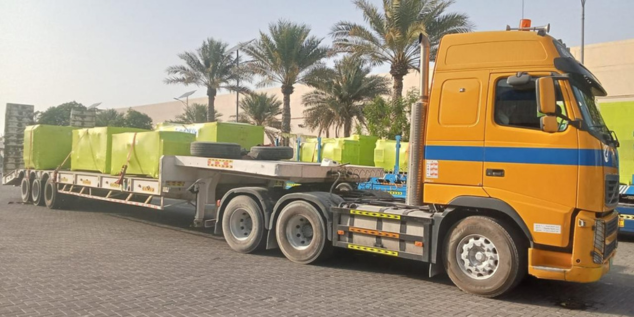
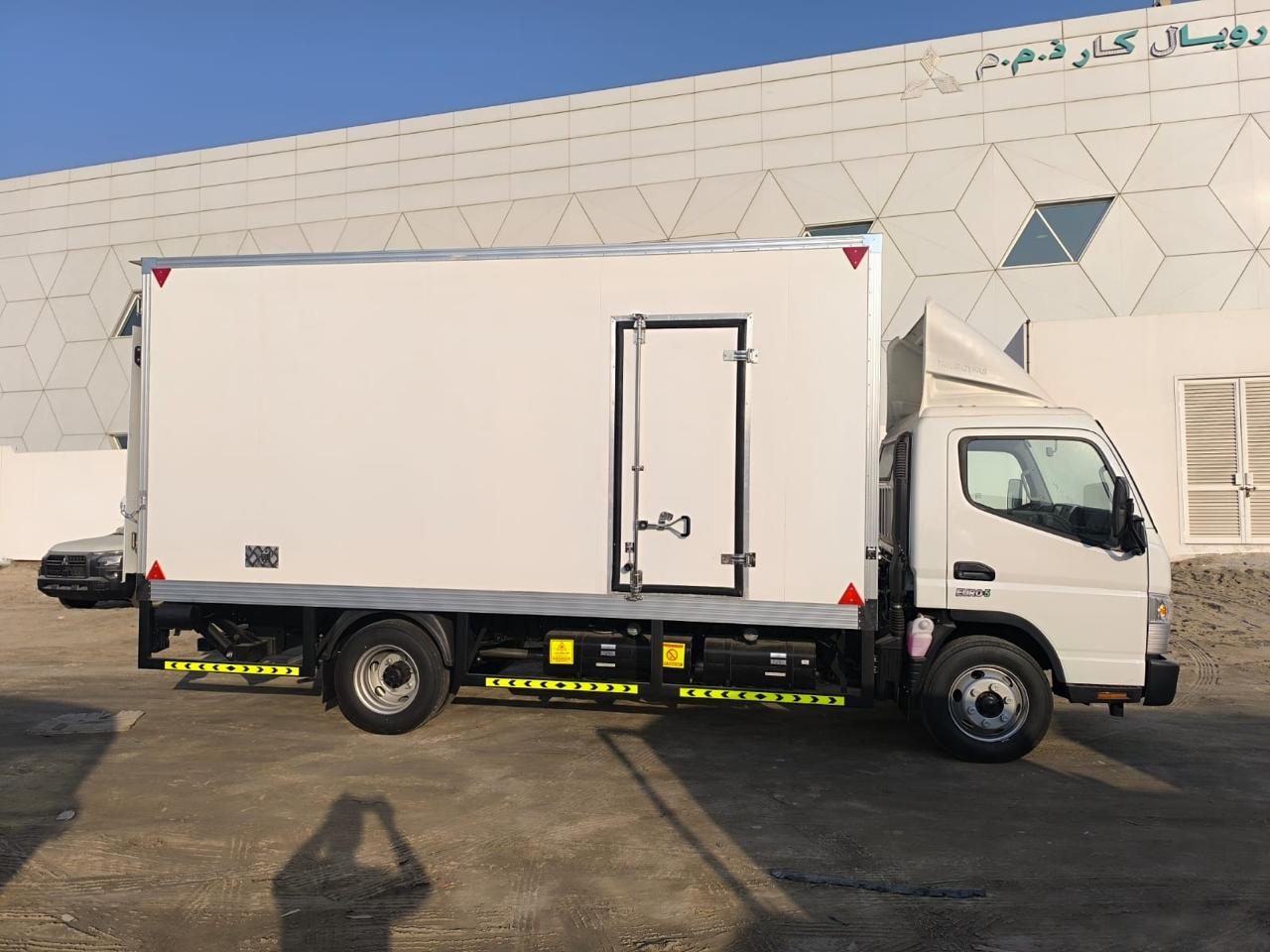
Packaged commercial goods usually travel well in dry box trucks when the load needs protection from sun, dust and weather exposure. Palletized cargo may need a truck with enough internal height and proper loading access for a forklift or tail lift. Food items, frozen products, cosmetics, flowers and selected medical supplies may need chiller or freezer transport with a defined temperature range. Machinery, generators, construction equipment and industrial parts often need flatbed, lowbed or crane-assisted planning depending on weight, length, height and lifting points.
The UAE market also has frequent mixed movements: a customer may need a 3-ton truck for cartons on one day, a flatbed for steel or site material on another day, and a lowbed trailer when plant equipment moves between yards. A transport company serving these different needs should keep the customer conversation simple while still collecting technical details behind the scenes. That balance helps procurement teams, warehouse managers and project supervisors book quickly without missing the practical requirements that affect execution.
Route planning across Dubai, Abu Dhabi, Sharjah and the wider Emirates
Route planning in the UAE should consider more than distance. Access timing, industrial area traffic, bridge or road limitations, loading bay availability, security checkpoints and site working hours can all affect the actual delivery plan. A route that looks direct on a map may not be the best choice for a heavy vehicle, a refrigerated vehicle, or a delivery that must arrive within a tight receiving window. This is especially important for movements connected to ports, free zones, construction sites and high-activity logistics areas.
A disciplined operations team checks the practical route before the vehicle is dispatched. For routine cargo, that may only require confirming pickup and delivery locations with the customer. For heavy equipment or wide loads, it may include confirming ground conditions, turning space, trailer access and unloading support. When these details are handled early, the driver spends less time waiting for instructions and the customer receives a clearer arrival expectation.
Why vehicle selection matters for cost and service quality
Choosing a truck that is too small can cause reloading, delays or a second trip. Choosing a truck that is too large can increase cost or create access problems in narrow loading areas. The right decision depends on the relationship between cargo weight, cargo volume, loading equipment, distance and delivery urgency. For example, a light but bulky shipment may need a larger body even if the weight is low. A compact but heavy machine may need a stronger platform or special lifting support despite occupying little space.
Vehicle selection also affects cargo care. Dry goods need enclosed protection. Temperature-sensitive items need controlled conditions and short door-open time. Steel, pipes and construction material need safe load securing. Machinery may require ramp access, chains, lifting points and balanced placement on the trailer. A professional transport partner asks enough questions to avoid guesswork, then recommends the vehicle that protects both the goods and the customer schedule.
Documentation and communication before pickup
Good transport coordination uses clear communication. The customer should share the pickup contact, delivery contact, exact locations, item details, expected loading time, invoice or delivery note requirements and any gate pass instructions. The transport team should confirm vehicle type, driver contact, estimated arrival, expected transit time and the information needed at receiving. When both sides work with the same information, pickup does not become a negotiation at the loading bay.
Documentation can be simple for local commercial deliveries and more detailed for industrial or project movements. Port, free zone, warehouse and construction site work may require additional permissions, delivery notes, packing lists, safety instructions or equipment access coordination. Keeping documents ready helps avoid the common issue of a vehicle arriving on time but waiting because the receiving team cannot release or accept the cargo.
How businesses can reduce transport delays
Delays usually come from incomplete information, late loading readiness, unclear site access, unexpected cargo dimensions or missing people at pickup or delivery. The simplest way to reduce delays is to prepare a standard transport request format. The format should ask for cargo description, quantity, weight, dimensions, loading method, pickup time, delivery deadline, special handling and contact details. Even small businesses can use a WhatsApp checklist or a shared form to keep this consistent.
The second improvement is to send photographs when the cargo is unusual. A photo of the item, pallet, access gate or loading area often answers questions faster than a long message. It helps the transport team understand whether the goods are stackable, whether forklift loading is possible, whether a crane may be required and whether the vehicle can safely approach the site. That practical visibility protects time and budget.
What to look for when comparing transport quotations
The lowest rate is not always the best rate if the quotation is unclear. A useful quote should identify the vehicle type, pickup and delivery scope, route, loading responsibility, waiting time policy, special equipment, temperature requirement if applicable and any exclusions. When these points are missing, the final cost may change after the vehicle reaches the site. Clear quotation details make approval easier and reduce disagreement later.
Customers should also look at responsiveness, route understanding and willingness to clarify details. A transport provider that asks practical questions is usually trying to prevent problems, not make the process difficult. For UAE businesses with recurring deliveries, a slightly more organized partner often saves money over time because delays, wrong vehicle assignments and repeated coordination calls become less frequent.
Building a repeatable transport workflow
A repeatable workflow is especially valuable for warehouses, trading companies, contractors and distributors. The workflow can be simple: collect complete shipment details, confirm the right vehicle, share documents, prepare the cargo before arrival, assign one site contact and confirm delivery completion. When the same steps are followed each time, transport becomes predictable and fewer urgent corrections are needed.
Focus Global can support this by helping customers standardize their request information. Over time, the operations team learns the customer’s common cargo, preferred pickup locations, delivery patterns and vehicle needs. That familiarity improves planning because the transport partner can recommend solutions based on real previous movements, not only on a single new request.
Practical booking checklist for UAE transport teams
A strong booking checklist should be short enough for daily use but complete enough to prevent repeated clarification. Start with customer name, company, phone number and email. Then capture pickup location, delivery location, cargo description, number of items, approximate weight, dimensions, preferred vehicle, loading method and delivery deadline. Add a field for special conditions such as temperature control, fragile handling, site security, gate pass, port access or delivery appointment. When this checklist is used consistently, the transport partner receives a workable scope instead of a vague request.
The checklist also helps internal teams. Sales can confirm expectations before promising delivery. Warehouse staff can prepare cargo and documents earlier. Accounts can match transport cost to the correct order or project. Operations can assign the right vehicle without asking the same questions every day. For customers with recurring cargo, the checklist can be simplified after common details are known, but it should never remove key fields such as loading method, cargo size or site contact.
How transport planning supports conversion and customer retention
For service businesses, transport reliability is a selling point. When customers receive clear timing, safe handling and fast responses, they are more likely to order again. Many UAE companies compete on product quality and price, but operational reliability often becomes the reason a customer stays. A delayed delivery may not seem like a marketing issue, yet it can damage confidence faster than a weak advertisement. This is why transport planning supports both operations and sales.
A business that can say “we can deliver with the right vehicle and clear coordination” has a stronger service promise. The transport provider should help the customer keep that promise by confirming feasibility, route timing and vehicle availability before the customer makes commitments. Over time, consistent execution becomes a trust signal. Buyers know that the supplier will not disappear after taking the order, and project teams know that required materials will not be left waiting without explanation.
Safety and professional presentation on delivery sites
Vehicle presentation, driver communication and safe handling matter on customer sites. A clean, appropriate vehicle with a clear handover process sends a professional message. Drivers should receive the correct contact details, delivery notes and instructions before arrival. If the cargo requires special handling, the instruction should be shared in plain language, not buried in a long message that may be missed. Site teams should also prepare safe access and avoid asking drivers to complete unsafe movements.
Professional presentation is especially important when deliveries go directly to a client, retail location, hotel, project site or high-visibility business area. The delivery experience can become part of the brand experience. Customers may not know the transport provider separately; they see the vehicle and driver as part of the supplier’s service. Reliable transport therefore protects the company’s reputation in the field.
When to choose scheduled transport instead of on-demand booking
On-demand transport is useful when requirements change daily, but scheduled transport can be better for recurring routes. If a business sends goods from the same warehouse to the same customer group several times per week, scheduled booking reduces daily coordination. Vehicle type, driver timing, pickup contact and delivery route can be agreed in advance. This improves readiness at the loading point and makes cost planning easier.
Scheduled transport does not remove flexibility. It simply creates a baseline plan. If cargo volume increases, the customer can request a larger truck or an additional vehicle. If one route becomes urgent, it can be separated from the normal schedule. The goal is to reduce unnecessary daily decision-making while keeping enough flexibility for real operational changes.
FAQ
Which transport vehicle is best for commercial cargo in the UAE?
It depends on cargo weight, volume, loading method and whether the goods need weather or temperature protection. Dry box trucks are common for protected goods, flatbeds for open cargo, lowbeds for equipment and chiller or freezer trucks for temperature-controlled items.
How early should I book a transport vehicle?
Routine local cargo can often be planned quickly, but heavy equipment, refrigerated cargo, site deliveries and time-critical jobs should be shared as early as possible so the correct vehicle, driver and access details can be coordinated.
What information should I provide for an accurate quote?
Share pickup and delivery locations, cargo type, weight, dimensions, quantity, loading method, timing, contact details and any special handling or temperature requirement.
Can one company handle different UAE transport needs?
Yes, a coordinated transport partner can arrange different vehicle categories including dry box, chiller, flatbed, lowbed, recovery and heavy equipment transport, depending on the cargo and route.
Conclusion
UAE transport works best when the customer and transport partner treat every movement as a planned operation. Clear cargo details, correct vehicle selection, realistic route planning and fast communication help protect the shipment and the schedule. Focus Global Cargo Transport LLC supports businesses across the Emirates with practical fleet guidance and reliable transport coordination.