Supply chain reliability depends on many decisions, but cargo transportation is where those decisions meet the road. If the right vehicle, documents, route and handover plan are not ready, even a well-managed order can become a delayed delivery.
Supply chain reliability depends on transport visibility
A supply chain can have good suppliers, strong inventory and active customers, yet still struggle if transport visibility is weak. Visibility means knowing what is moving, when it will be collected, where it is going, who is receiving it and what may delay it. Without that visibility, teams react late and customers receive unclear updates.
Cargo transportation is the point where planning becomes physical. Goods leave the warehouse, factory, port, yard or supplier and must reach another location safely. The quality of that movement affects production schedules, project timelines, retail availability and customer satisfaction. Reliable transport communication gives the rest of the supply chain the confidence to plan around the shipment.
Build reliability with consistent booking information
Consistent booking information is one of the easiest ways to improve transport reliability. Every booking should capture cargo type, quantity, weight, dimensions, pickup and delivery locations, contact details, loading method, delivery deadline and special handling. When this information is missing or scattered across messages, the transport team may assign the wrong vehicle or miss a critical requirement.
A standard booking format does not need to be complicated. It can be an online form, a shared sheet, an internal dispatch note or a structured WhatsApp template. What matters is that the same information is collected every time. This habit creates a cleaner handover from customer to operations and from operations to driver.
Align cargo movement with customer promises
Businesses often promise delivery dates before confirming transport capacity or site conditions. This creates pressure later if the vehicle, route or receiving window cannot support the promise. A more reliable process checks transport feasibility before confirming the final customer commitment, especially for urgent, heavy, refrigerated or multi-drop cargo.
For project work, transport should be part of the timeline discussion. A contractor may need equipment on site before a team can start. A trading company may need goods delivered before a customer opening. A warehouse may need outbound space cleared before new stock arrives. When cargo movement is aligned with these promises, fewer teams are forced to wait.
Use the right fleet mix for supply chain flexibility
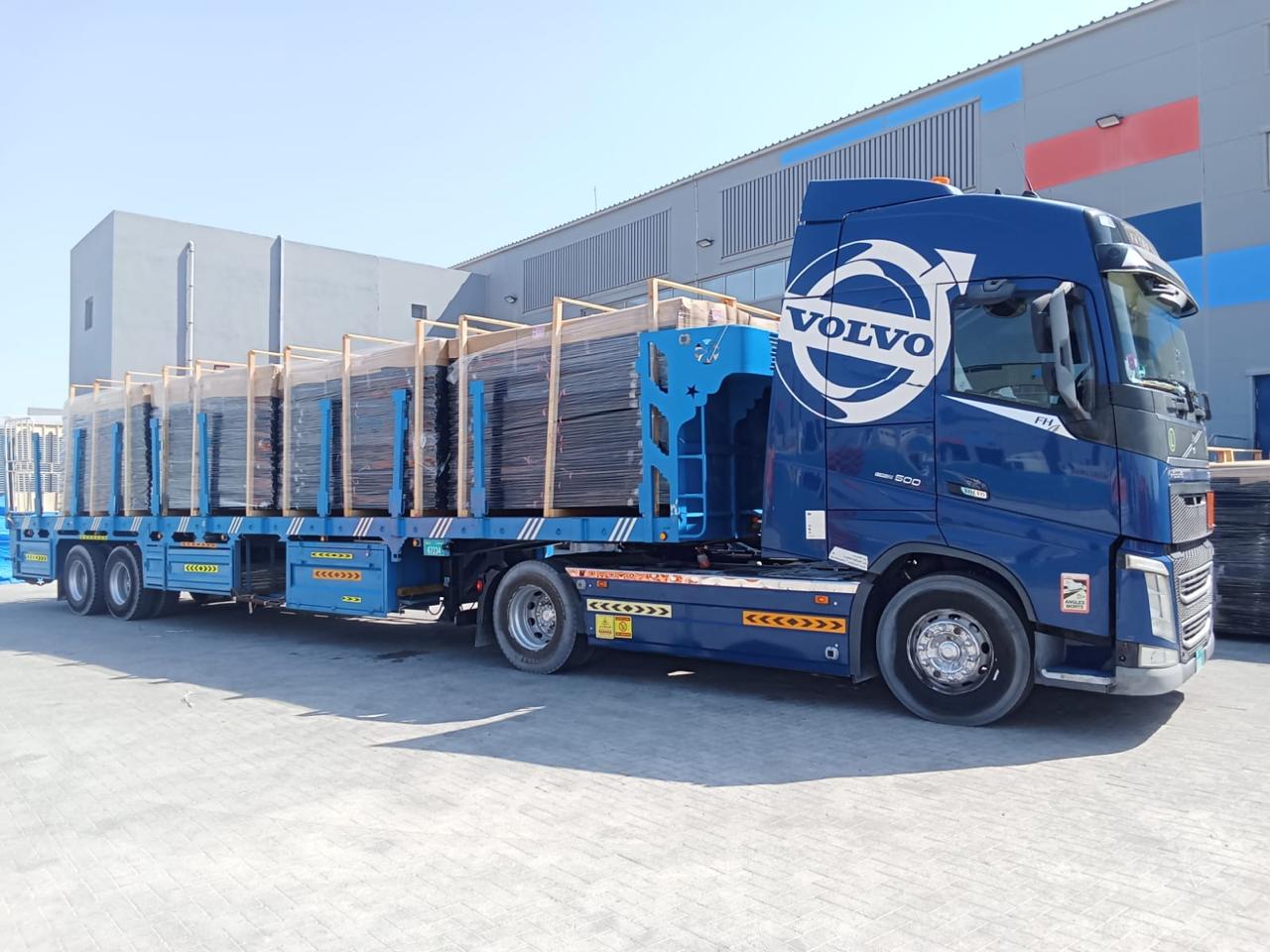
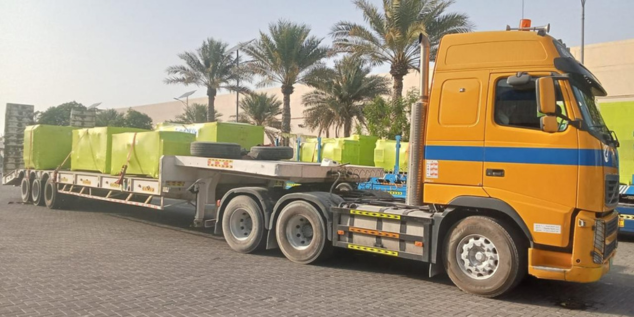
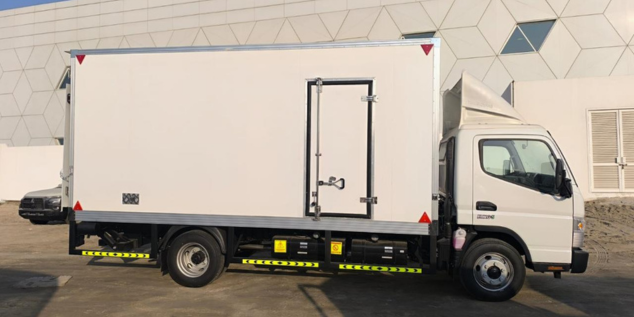
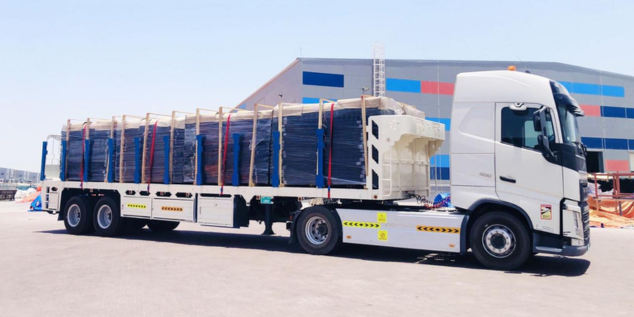
Supply chains in the UAE often need flexibility because cargo types change. A business may move cartons today, chilled products tomorrow and a generator next week. Relying on one vehicle type for every task reduces flexibility and can create risk. A stronger transport plan uses the right fleet mix: dry box trucks, chiller trucks, flatbeds, lowbeds, recovery trucks and lifting support where required.
This fleet mix gives operations teams more options. If cargo needs protection, an enclosed body is available. If cargo needs temperature control, a chiller or freezer unit can be arranged. If cargo is oversized, lowbed or flatbed planning can begin. The customer does not need to manage each category separately when a capable transport partner coordinates the correct option.
Reduce risk through earlier exception handling
Every supply chain has exceptions: cargo not ready, supplier delay, route change, receiver unavailable, loading equipment missing, document issue or unexpected cargo size. Reliability improves when exceptions are identified early and communicated clearly. Hiding a delay rarely helps; it usually gives the next team less time to respond.
Transport teams should report exceptions as soon as they appear, but customers can also reduce exceptions by sharing accurate details and preparing the site. If the delivery location has narrow access, limited working hours or a specific gate process, that information should be included in the booking. Early exception handling converts many problems into manageable adjustments.
Cargo care as part of supply chain quality
Cargo care is not only the driver’s responsibility. It begins with packaging, labeling, handling instructions and correct vehicle selection. Goods should be packed for the movement they will actually experience. Fragile items need protection, chilled goods need temperature planning, industrial items need secure tie-down points and high-value goods need clear handover control.
When cargo arrives damaged, the supply chain absorbs more than repair cost. There may be replacement cost, customer dissatisfaction, project delay and internal investigation time. Careful transport planning reduces these risks by matching the cargo to the right body type, loading process and communication standard.
Use post-delivery feedback to improve future movements
Proof of delivery closes the movement, but feedback improves the next one. Customers should note whether the vehicle arrived on time, whether loading was smooth, whether the receiver accepted the goods quickly and whether any cargo or document issue occurred. This feedback helps identify repeating friction points.
A good transport partner welcomes practical feedback because it helps refine the service. If a certain site always needs a smaller vehicle, that can be noted. If a receiver requires a specific document, it can be added to the checklist. If a route regularly faces timing issues, the schedule can be adjusted. Small improvements build reliability over time.
Choosing a transport partner for supply chain continuity
Supply chain continuity depends on a partner who responds quickly, understands vehicle categories, communicates clearly and treats each movement as important. The right partner should not only provide a truck; they should help the customer think through cargo requirements, access, timing and handover. This advisory role is valuable when businesses handle different cargo types or operate across multiple Emirates.
For companies that want fewer interruptions, the relationship should be built around consistency. Share recurring routes, common cargo types, preferred contacts and service expectations. The more the transport partner understands the operation, the easier it becomes to provide reliable support when time matters.
Turning transport from a cost center into a reliability tool
Many companies treat transport only as a cost line, but transport can also be a reliability tool. A planned movement protects sales promises, keeps warehouse space moving, supports project teams and reduces emergency decisions. When transport is consistently late or unclear, teams spend time chasing updates instead of serving customers. When transport is reliable, the rest of the operation can work with confidence.
The shift begins with better information. A transport partner cannot create reliability from incomplete cargo details, unclear timing or missing contacts. The customer and provider must share responsibility for planning. The provider supplies fleet knowledge and coordination. The customer supplies accurate cargo, site and timing information. Together, those inputs create a dependable movement.
Supply chain communication between departments
Transport problems often occur between departments rather than inside one department. Sales promises a delivery date, warehouse prepares late, accounts holds a document, procurement changes supplier timing and operations must fix the result. Better communication between departments reduces pressure on the transport team. Each department should understand how its decisions affect the vehicle movement.
A useful practice is to identify transport-critical orders early. If an order is urgent, heavy, refrigerated, project-based or customer-sensitive, mark it clearly. That signal tells warehouse, accounts and operations that the movement needs priority coordination. Without a clear signal, important deliveries may be treated like routine shipments until the deadline becomes urgent.
Managing cargo transportation across multiple Emirates
UAE-wide cargo transportation may involve longer travel time, different industrial areas, varying site access and multiple receiving teams. A delivery from Dubai to Abu Dhabi, Sharjah, Ajman or another Emirate should include realistic timing and clear contact details. Distance is only part of the plan; traffic, loading time, unloading time and access conditions also matter.
For inter-Emirate movements, route and delivery window should be confirmed before dispatch. If the receiver has a limited acceptance time, the pickup must be planned accordingly. If the cargo requires refrigeration or special handling, the transit plan should consider door-open time and handover readiness. Good planning prevents long-distance deliveries from becoming long-distance problems.
Building resilience with alternate vehicle options
Supply chains are more resilient when they have alternate vehicle options. If a shipment is larger than expected, the team should know whether a larger truck or second vehicle is available. If a site cannot accept an enclosed truck, an open platform may be required. If a freezer truck is unavailable at the desired time, the customer may need to adjust the schedule or split the load. These decisions are easier when the transport partner has a broad fleet network.
Alternate options should be used responsibly. They are not a reason to plan late every time, but they are valuable when real changes happen. A responsive partner can explain the trade-off between timing, cost and vehicle suitability so the customer can make a practical decision quickly.
Why documentation closes the supply chain loop
Documentation closes the loop between order, shipment and delivery. Delivery notes, invoices, packing lists, gate passes, proof of delivery and photographs create an operational record. This record helps accounts, warehouse, sales and customer service confirm what happened. Without documentation, teams may depend on memory or informal messages when resolving issues.
For recurring transport, documentation also reveals patterns. If certain receivers regularly delay signing, if some routes often need re-delivery, or if specific products frequently need extra care, those points can be reviewed. The transport record becomes a source of improvement, not only a proof that a delivery happened.
Creating a transport escalation process
A transport escalation process defines what happens when a movement does not go as planned. If cargo is not ready, who approves waiting or rescheduling? If the receiver is unavailable, who decides whether the vehicle should proceed, wait or return? If the load is larger than expected, who can approve a second vehicle? These decisions should not be made randomly while the driver is already at the site.
Escalation rules keep small issues from becoming major disruptions. They also help the transport partner communicate with the right person quickly. For supply chain teams, this is especially useful during peak periods or multi-location deliveries. A clear escalation process saves time, protects service quality and gives everyone a better chance of solving the problem calmly.
Final planning reminder for operations teams
Before every important cargo movement, take one minute to confirm readiness, route, receiver, documents and vehicle suitability. That small pause can prevent long delays later. Transport is most reliable when the details are visible before dispatch, not discovered after the truck arrives. For UAE businesses managing daily deliveries, project cargo or urgent freight, this habit creates a more professional workflow and gives customers better confidence in the delivery promise.
The best results come from repeatable discipline: clear requests, accurate cargo information, prepared loading areas, realistic timing and a transport partner that communicates quickly. These practical habits may look simple, but they are the foundation of safe cargo movement and dependable supply chain performance.
How Focus Global can support the next movement
When the cargo, timing or site conditions are not fully clear, it is better to ask for a practical transport recommendation instead of guessing the vehicle. Share the shipment details, photos, route and preferred delivery time, and the operations team can advise whether a dry box truck, chiller truck, flatbed, lowbed or another solution is more suitable. This simple consultation step helps reduce rework, protects the customer schedule and makes the final quotation easier to approve.
FAQ
How does transport affect supply chain reliability?
Transport affects whether goods reach the right place at the right time and in the right condition. Poor transport planning can delay operations even when inventory and orders are correct.
What information improves cargo transportation planning?
Cargo type, weight, dimensions, loading method, pickup and delivery access, timing, contact details and special handling instructions improve planning.
Why is fleet flexibility important?
Different cargo types need different vehicles. Fleet flexibility allows businesses to use dry box, chiller, flatbed, lowbed or recovery options depending on the shipment.
How can businesses reduce transport-related disruptions?
Use consistent booking information, prepare cargo early, confirm documents, communicate access details and review delays after each movement.
Conclusion
Cargo transportation is a practical foundation of supply chain reliability. Consistent booking information, correct fleet selection, early exception handling and post-delivery feedback help UAE businesses keep goods moving with more confidence. Focus Global supports this process with dependable transport coordination across multiple cargo categories.